Aligning Redemption Windows with Equine Odds Volatility on Hybrid Mobile Systems
Yves Günther · Nov 19, 2026
Aligning Redemption Windows with Equine Odds Volatility on Hybrid Mobile Systems
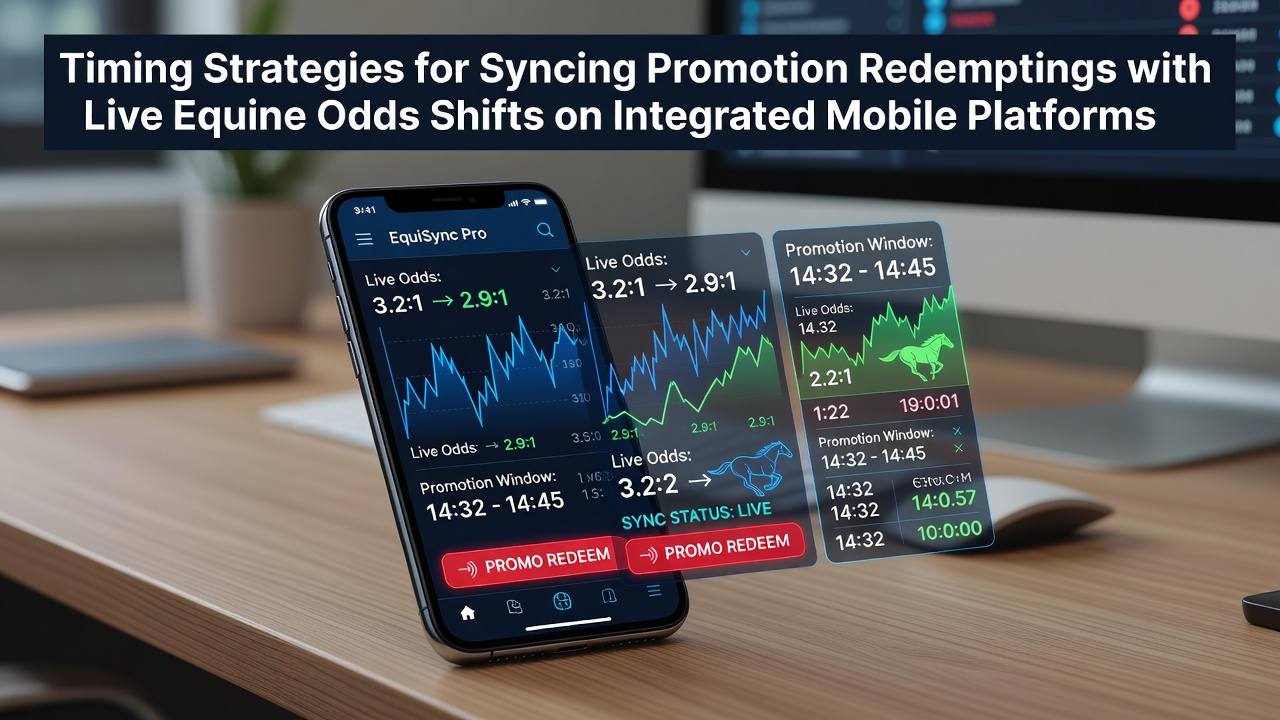
Integrated mobile platforms combine horse racing wagers with casino features, and data from multiple operators shows that odds for equine events can move within seconds during live races. Those shifts create narrow windows where promotion redemptions yield higher effective value when matched to favorable odds. Observers note that users who monitor feed latency and apply redemption triggers at precise moments often capture better returns than those who redeem at random intervals.
Understanding Real-Time Odds Mechanics
Live equine odds update through data streams that pull from trackside feeds and algorithmic models, while platform algorithms adjust spreads based on betting volume and external factors such as track conditions. Research from industry analytics groups indicates that during peak November 2026 racing meets, odds volatility increased by measurable margins in the final two minutes before post time. Users who set alerts for specific threshold movements therefore position redemptions to coincide with those adjustments rather than acting after the fact.
Platforms merge these feeds with casino table incentives, which means a single account balance can support both racing and non-racing redemptions. The timing connection matters because some promotions apply multipliers only to racing legs, and the multiplier value can drop if odds have already lengthened beyond the activation window. Experts tracking app telemetry report that users who redeem within the first 15 seconds of a favorable shift retain more of the promotional uplift than those who wait for confirmation screens.
Platform Architecture and Latency Factors
Mobile apps route promotion claims through separate servers from the odds engine, which creates a brief synchronization gap. Network tests conducted by third-party labs reveal that average latency between a live odds update and the visible change on a user device ranges from 800 milliseconds to 2.4 seconds depending on carrier and location. Redemption requests that queue during this gap may lock in the prior odds set, reducing the intended promotional benefit. Developers therefore embed client-side buffers that hold the claim until the next odds packet arrives, allowing the system to apply the updated figure automatically.
Hybrid apps that fuse racing and table game elements add another layer because casino spin bonuses sometimes share the same wallet as racing stakes. When a user initiates a redemption for a racing promotion, the app must confirm that no overlapping table game round is in progress, or the system pauses the claim. Data logs from several operators show that such pauses account for roughly 12 percent of missed timing opportunities during high-volume November weekends in 2026.
Practical Timing Approaches
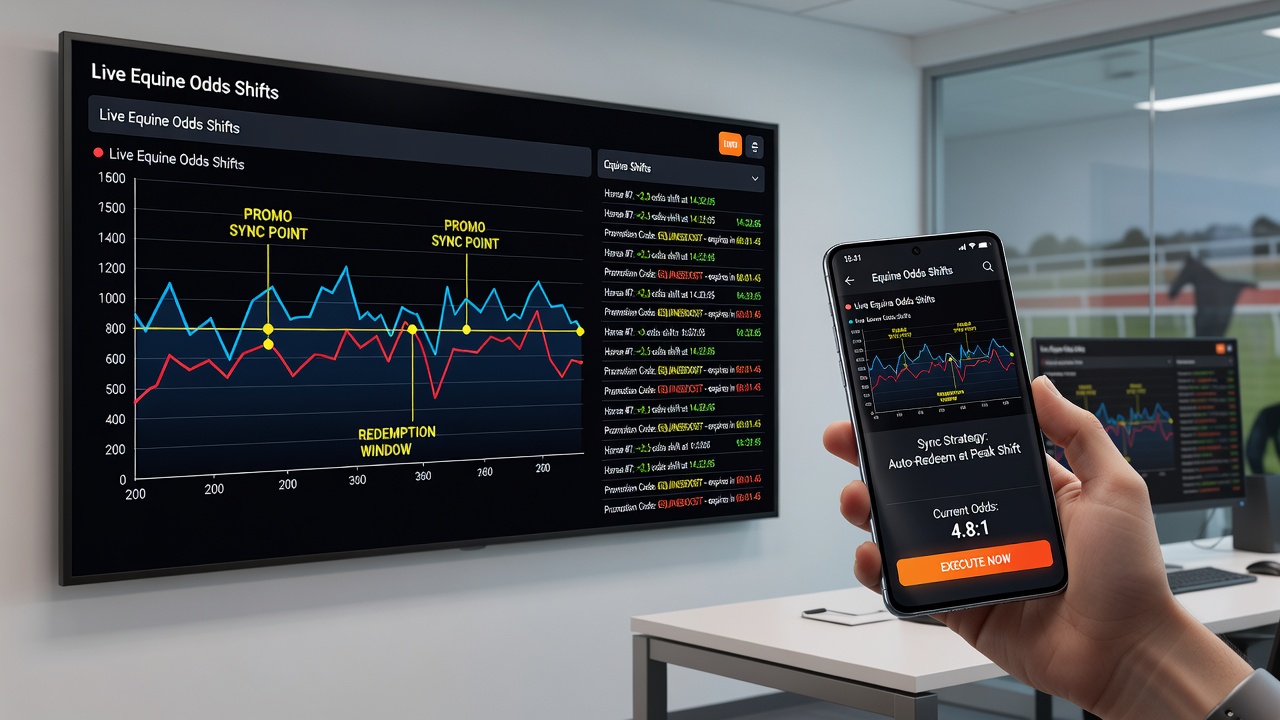
One documented method involves setting conditional triggers inside the app that monitor odds movement percentages. When the spread narrows by a user-defined amount, the trigger prepares the redemption but does not submit until the next odds packet confirms the change. Operators that publish API documentation for these triggers note higher redemption success rates among users who activate them during graded stakes races.
Another approach relies on push notifications tied to specific horse entries. When the platform detects heavy late money on a particular runner, it sends an alert that also flags any active promotions eligible for that race. According to figures released by the Australian Gambling Research Centre, participants who combined such alerts with manual confirmation steps completed redemptions an average of 4.7 seconds faster than those relying solely on manual checks.
Network conditions play a measurable role. Users on 5G connections experience shorter gaps between updates, while those on congested LTE networks benefit from pre-loading the promotion screen before the race reaches its volatile final stages. Platform logs indicate that pre-loaded screens reduce the effective redemption delay by nearly one second on average.
Regulatory and Operational Context in Late 2026
State-level oversight bodies, including the North Carolina Education Lottery Commission, require operators to display clear timestamps on both odds and promotion terms. These timestamps help users verify that redemptions occurred under the correct odds set. Compliance reports filed for November 2026 events show that platforms meeting the timestamp standard recorded fewer disputes over promotional value calculations.
Operators also maintain audit trails that log the exact moment a redemption request reaches the server relative to the last odds update. When discrepancies appear, support teams can reconstruct whether latency or user action caused the mismatch. This reconstruction capability has become standard across major integrated apps following updates rolled out in the third quarter of 2026.
Conclusion
Effective synchronization between promotion redemptions and live equine odds requires attention to data latency, conditional triggers, and platform-specific confirmation steps. Records from the 2026 racing calendar demonstrate that users who apply these timing elements achieve closer alignment between promotional multipliers and actual odds at the moment of claim. Continued refinements in app architecture and notification systems are expected to narrow remaining gaps as operators respond to measured usage patterns from that period.