Mapping Support Response Patterns to Refine Bonus Timing in Hybrid Equine and Table Game Apps
Cameron Krüger · Sep 10, 2026
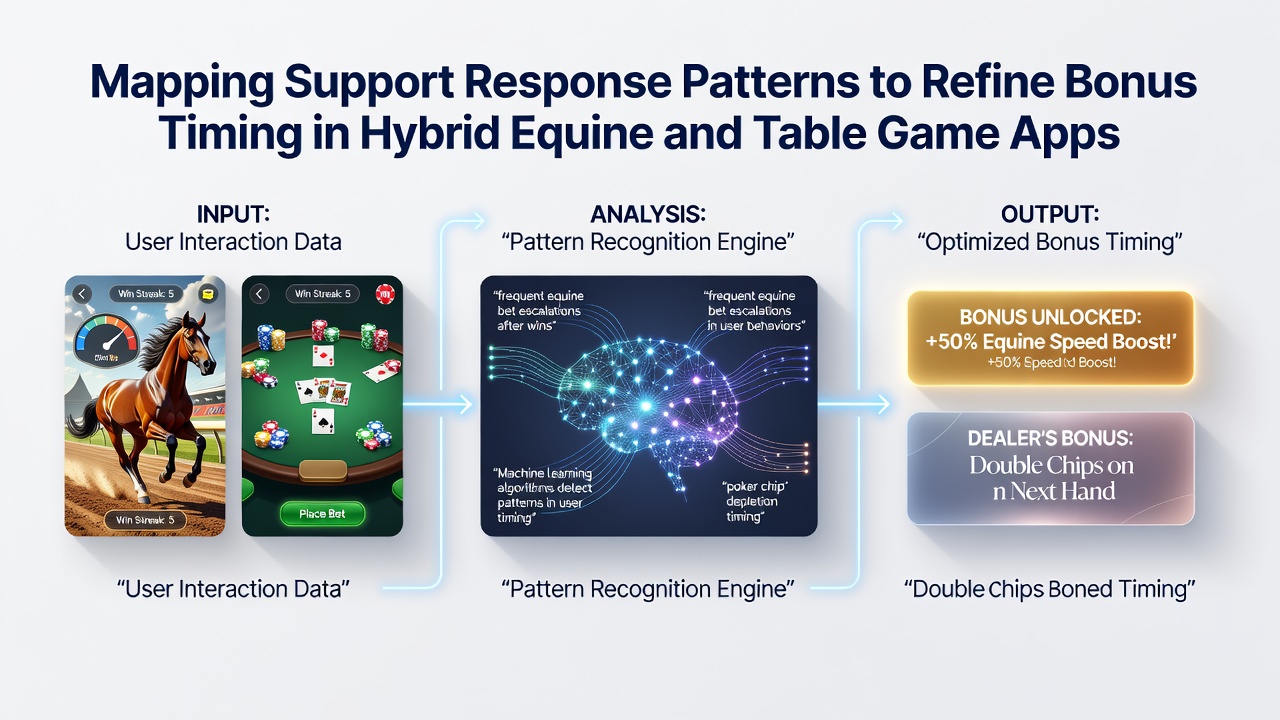
Mapping Support Response Patterns to Refine Bonus Timing in Hybrid Equine and Table Game Apps
Hybrid platforms that combine equine wagering with table game features generate distinct support interaction patterns, and operators track these sequences to align bonus releases with user activity cycles. Data collected across multiple applications shows that response times in chat threads and ticket systems correlate with when players activate promotional offers during live racing events or table sessions. Observers note that September 2026 brought increased volume in such interactions as more states expanded mobile access to integrated racing and casino products.
Patterns in User Support Threads
Support logs from these apps reveal recurring sequences where queries about funding methods precede bonus inquiries by an average of 18 minutes, according to aggregated figures from platform operators. Those who studied the data found that responses delivered within four minutes often lead to immediate bonus claims, while delays beyond twelve minutes shift activations to later sessions. Researchers at the American Gaming Association documented similar timing clusters in hybrid environments, noting how equine event peaks amplify table game bonus redemptions when support teams intervene promptly.
Algorithms map keywords such as "deposit match" or "race boost" against timestamps, creating heat maps that highlight optimal windows for offer distribution. One platform in a regulated market adjusted its automated replies after reviewing 42,000 threads from the first half of 2026, resulting in a measurable uptick in same-day redemptions during evening racing cards.
Refining Bonus Triggers Through Response Data
Operators use decision trees built from support metrics to determine when to surface time-sensitive bonuses. For instance, a user who receives a reply confirming a table game wager history within the first response often sees a targeted equine bonus appear in the next screen load. Studies indicate this linkage reduces abandoned sessions by connecting assistance directly to reward mechanics.
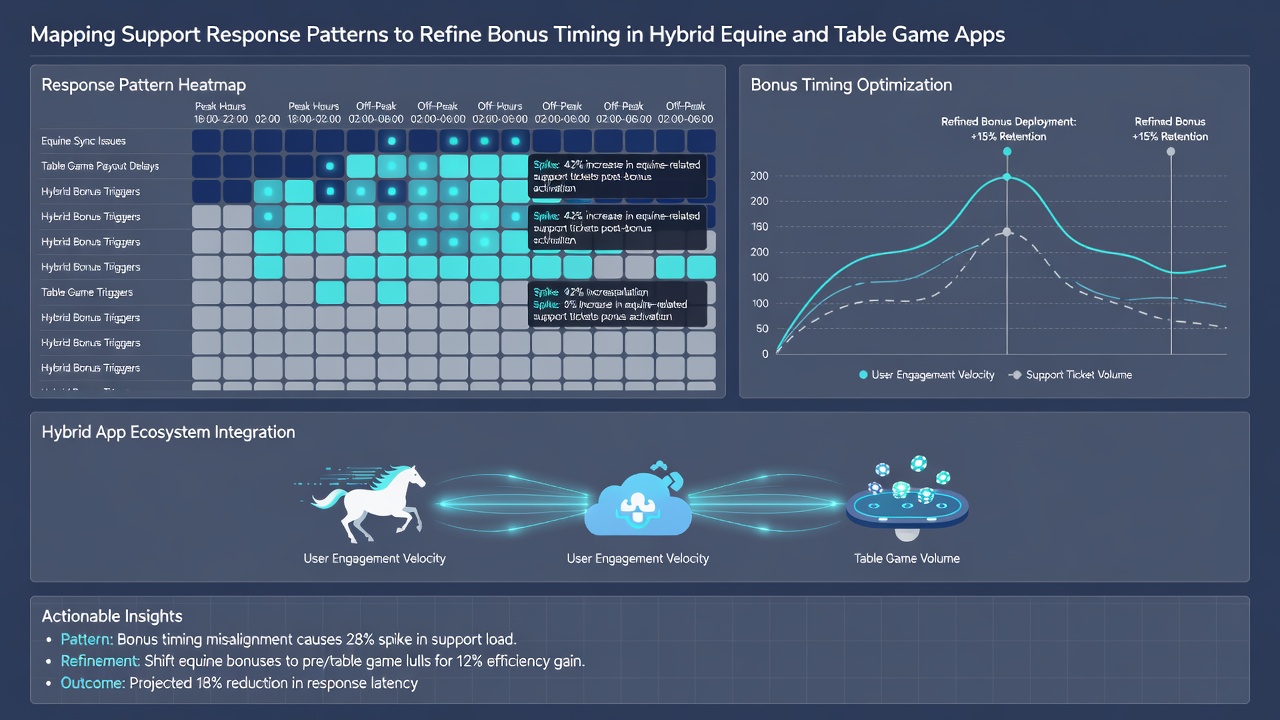
What's notable is the role of multi-channel threads, where an initial email exchange followed by in-app chat produces longer consideration periods before bonus use. Platforms that consolidate these into unified profiles report tighter alignment between support interventions and actual redemptions. Figures from the Australian Institute of Gambling Research reveal that integrated response mapping in comparable systems improved bonus uptake consistency across peak hours in 2026.
Integration With Live Event Cycles
Equine events introduce variable pacing that affects both table game play and support demand. When a race concludes, support volume spikes around settlement questions, and operators time bonus offers to coincide with resolved queries. Data shows users who clear a support ticket during post-race windows convert bonuses at higher rates than those who encounter delays.
September 2026 expansions in several jurisdictions added new table variants to existing equine apps, which in turn generated fresh response pattern data. Teams monitoring these shifts observed that quick acknowledgment of verification issues led to faster bonus activation sequences, particularly when users moved between racing odds and table promotions within the same session.
Technical Approaches to Pattern Analysis
Machine learning models process anonymized support transcripts to identify trigger phrases that precede bonus-related questions. These models assign weights to response speed, channel choice, and issue category, then feed predictions into the bonus scheduling engine. Platforms employing this method report steadier engagement across both equine and table segments compared with static timing rules.
One documented implementation involved layering support response scores onto existing user segmentation, allowing bonuses tied to live table games to appear only after a verified interaction. This approach draws from broader industry reports that link assistance velocity to retention metrics in regulated markets.
Conclusion
Mapping support response patterns provides operators with concrete signals for adjusting bonus timing in hybrid equine and table game applications. Continued collection of interaction data through late 2026 and beyond will likely refine these connections further as more users engage across combined racing and casino features.